
The Link Between the Brain and Chronic Pain
Chronic pain is often a symptom produced by the brain in response to emotional conflict, stress, or trauma.
This was the landmark discovery of Dr. John Sarno, a pioneer in the field of rehabilitative medicine who successfully treated over 10,000 chronic pain patients over the course of his career.
Originally Dr. Sarno referred to the process by which the unconscious causes chronic pain as Tension Myositis Syndrome (TMS). In recent years physicians, such as Dr. Howard Schubiner, have expanded on Dr. Sarno’s work and have come to use the more comprehensive term Mind Body Syndrome (MBS).
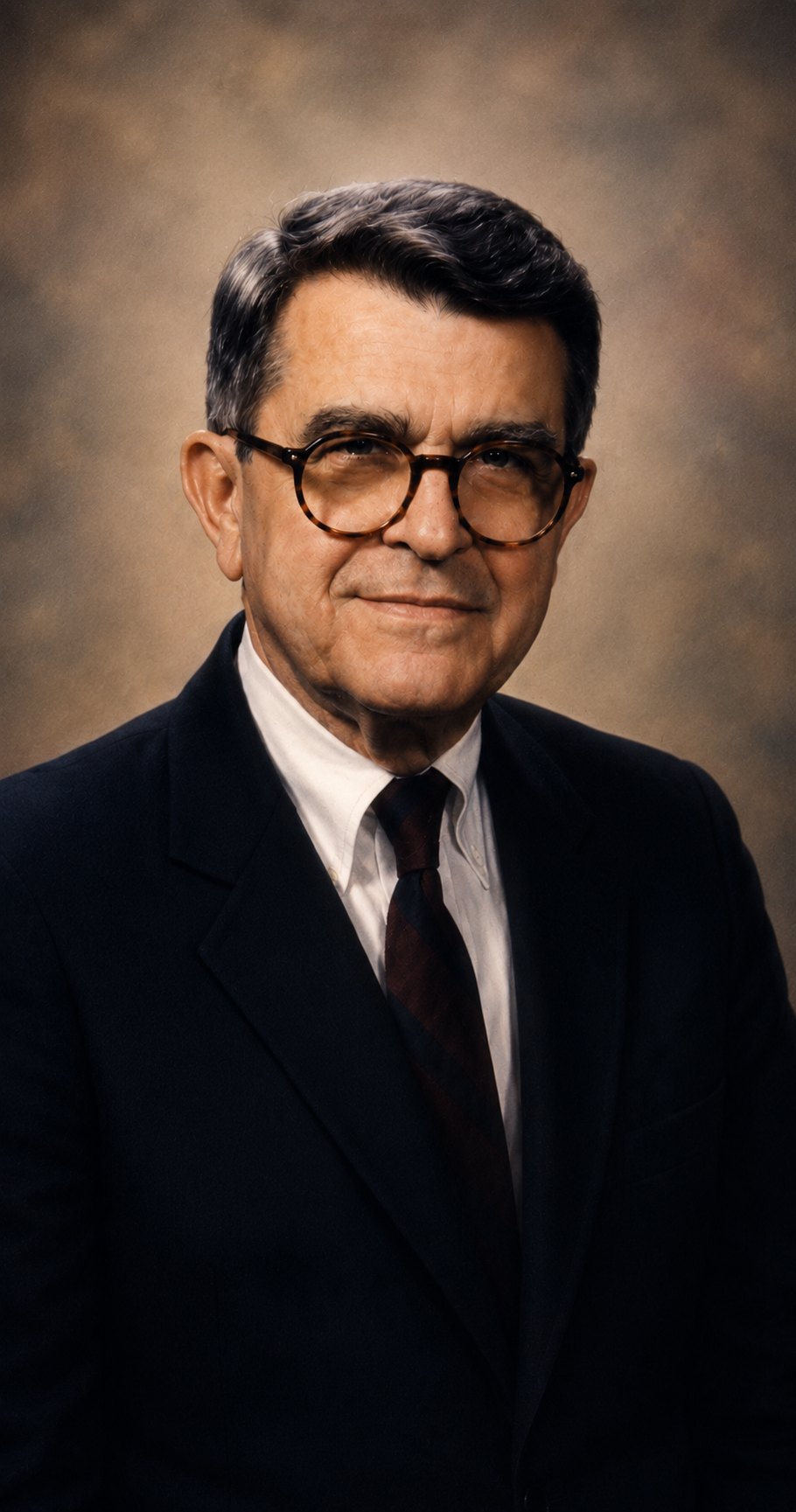
Dr. John Sarno
About Mind Body Syndrome
-
Decades spent working with patients at New York University’s Rusk Institute of Rehabilitative Medicine convinced Dr. Sarno most chronic pain was psychosomatic in origin.
According to Dr. Sarno, repressed emotions - including rage and shame - are often considered so threatening to our sense of identity that our unconscious mind produces real physical pain as a distraction from them.
In other words, the pain is a defense mechanism.
Dr. Sarno found that patients would often see a complete recovery from pain that had plagued them for years - sometimes even decades - after they began to explore their unconscious emotions and accept that the cause of their pain was not structural.
In fact, many people have been cured of formerly debilitating pain - back pain, neck pain, repetitive stress injuries, gastrointestinal distress, etc. - simply by learning about MBS.
-
I use the term Mind Body Syndrome (MBS) rather than the more widely known term Tension Myositis Syndrome (TMS) for two reasons.
The first is because Myositis - the M in TMS - refers to muscular inflammation, swelling, and weakness. This fits with Dr. Sarno’s original focus on chronic back pain, but does not encompass the myriad expressions of mind body pain that have since been discovered. Mind Body Syndrome is a more comprehensive term, and better describes the etiology of the presenting symptoms.
The second reason is because within the mental health world, many people use the initialism TMS to refer to Transcranial Magnetic Stimulation, a treatment that uses magnets to stimulate the brain as a treatment for severe depression. -
People who suffer from MBS often have a lot in common. They are people who strive to be good, but they frequently struggle with feelings of not being good enough.
These personality traits are very common in people with pain caused by MBS:
You hold yourself to high standards
You’re the reliable one - the one others depend on
You push through and keep going, even when you’re overwhelmed or exhausted
You feel anxious, shy, or reserved around others
You have a strong desire to be good or to be liked
When something bothers you, you tend to obsess over it until you find a solution
You tend to hold thoughts and feelings in
You believe certain emotions are not constructive - especially anger
-
The hallmark of the Mind Body Syndrome is that you think about your pain all the time, to the point of becoming obsessed with it.
However, there are other characteristic patterns:
Instead of healing, your pain seems to get worse over time
Your pain moves around: Sometimes it’s in your back, other times your joints, or even in your shoulders
You have a long list of things you do to manage the pain (i.e. stretches, exercises, wearing supportive devices)
On the rare occasions you are pain free you begin to notice other issues like gastrointestinal distress, skin conditions, or intrusive thoughts
Simple tasks trigger fear of pain so you begin to avoid them
Something stressful was going on in your life around the time your pain started
-
The Mind Body Syndrome can present in a number of different ways. Here is a list - by no means exhaustive - of common forms MBS can take:
Chronic back pain (lower, mid, upper)
Neck stiffness or pain
Shoulder, hip, knee pain
Pain in hands, wrists, and forearms
Fibromyalgia
Brain fog
Difficulty concentrating
Tinnitus (ringing ears)
Sensory hypersensitivity (light, sound, touch)
Rapid heart rate or palpitations
Chest tightness (often mistaken for cardiac issues)
Nausea
Abdominal pain
Bloating
Acid reflux-like symptoms
IBS-like symptoms (constipation, diarrhea)
Chronic fatigue
Pelvic pain
Frequent urination
Eczema
Itching without rash
Hair loss (especially in women)
Tension headaches or migraines
TMJ pain
Sexual dysfunction and low libido
Restless legs
Insomnia
Intrusive thoughts and OCD-like rituals
-
It started with a persistent twinge.
Midway through my senior year of high school, my lower back began to bother me. It was annoying because no matter what I did, the tight knot in my lower right back would not loosen up.
After a couple months I was far more than annoyed: At that point I was walking like a 90 year old man and every step I took was at least an eight on the pain scale.
By that summer I was bedridden and receiving cortisone shots for muscle spasms. Diagnosed with a herniated disc, I was afraid I would be an invalid for life.
Luckily I encountered a book by Dr. Sarno called Healing Back Pain. Desperate for a way out of my pain, I decided to give his approach a try.
Rather than think about the pain sending shockwaves through my lower back and legs, I was determined to concentrate on my emotions. I would also remind myself that according to Dr. Sarno my herniated disc was benign in nature, resolve to push through my fear, and resume all normal activities.
Within days I was completely pain free.
Far from being an invalid, I would go on to engage in physical activities like distance running, heavy weight lifting, and hot yoga.
Healing from back pain was my first exposure to how tuning into the unconscious and acknowledging emotions could lead to transformative change.
-
I remained pain free for many years following my first experience with MBS.
Then one afternoon at the gym in my early thirties, I attempted to go low while squatting heavy weight and lost correct form. I felt something shift in my low back but did not think much of it at the time.
The following day I was sitting at a desk writing and when I got up my back suddenly went completely stiff. I was barely able to walk and could not bend my back at all.
What made this especially distressing was that I was set to go on a trip to Tokyo within two weeks.
I was dumbstruck that this could be happening to me again. Hadn’t I overcome my back pain already?
I tried to think away the pain but it would not budge. Concentrating on my emotions was helpful, but did not lead to any change in my physical condition. Every day was spent with me unable to do anything but lay on the couch.
Finally the day of the trip came and I was still in pain. I remember gingerly walking through the airport with my torso at a 2 o’clock angle and being incredibly worried that my trip was going to be ruined.
Then while on the flight I fell into a state of meditation and told myself that no matter how I felt, no matter how much pain I was in, I was determined to have a great trip.
About 10 minutes later I got up to use the bathroom and was completely pain free.
It was such a dramatic transformation that it dispelled any doubt I had had before about whether or not MBS was real.
Or rather, it did for the three weeks I was on vacation. Once I came home, I came home to all of the same problems that were there in my life before I left.
Doubts about my back started to creep back in: When I was on the plane, had something physically shifted to where it was no longer pressing on a nerve ? And could it start to hurt again if I wasn’t careful?
Once I started entertaining thoughts like that, it wasn’t long until my back was once more acting up.
This time the pain would come and go. Sometimes it just felt stiff in my lower back if I sat too long; other times I would be in spasms that had me so weak I could not stand up from a chair under my own power.
Things carried on this way for a few years. I would try to use what I knew about MBS to combat the pain, but despite my best efforts, could not get it to go away. Something in me suspected that part of me wasn’t ready to let go of the pain yet.
What finally did the trick for me was making changes in my life that helped me gain resolution on some of the inner conflicts I was struggling with. My brain no longer needed to produce the pain, because I was actively working to resolve the conditions in my life that necessitated it.
I would later work with a depth-oriented therapist and learn more about the conditions in my life, and the resultant inner conflicts, that caused my unconscious to produce back pain when I was in my early to mid thirties.
Since my last struggle with chronic MBS pain I have experienced minor aches and pains but nothing that has disrupted my life. If I do notice myself becoming distressed about a sensation in my body I take it as a cue that I need to focus on my emotions and see what it is that I’m experiencing on an unconscious level.
One thing I do not do is fear a relapse of debilitating chronic pain. Because now I know that my unconscious mind has a habit of turning fear of pain into a self fulfilling prophecy.
For Some People, Learning About Mind Body Syndrome Isn’t Enough
For people who accept the Mind Body Syndrome diagnosis but struggle to get better, physicians often recommend psychotherapy.
Using a depth oriented approach, together we will work to understand the patterns that characterize your MBS, access and experience repressed emotions, and investigate any unconscious beliefs that may be causing your brain to produce pain as a defense mechanism.
Profound and lasting change happens when we meet our pain where it has its roots: in the unconscious mind.

Ready to Take Your Life Back?
If you are ready to begin healing from your chronic pain and resume living a normal life, let’s get started.