
How I Got Here
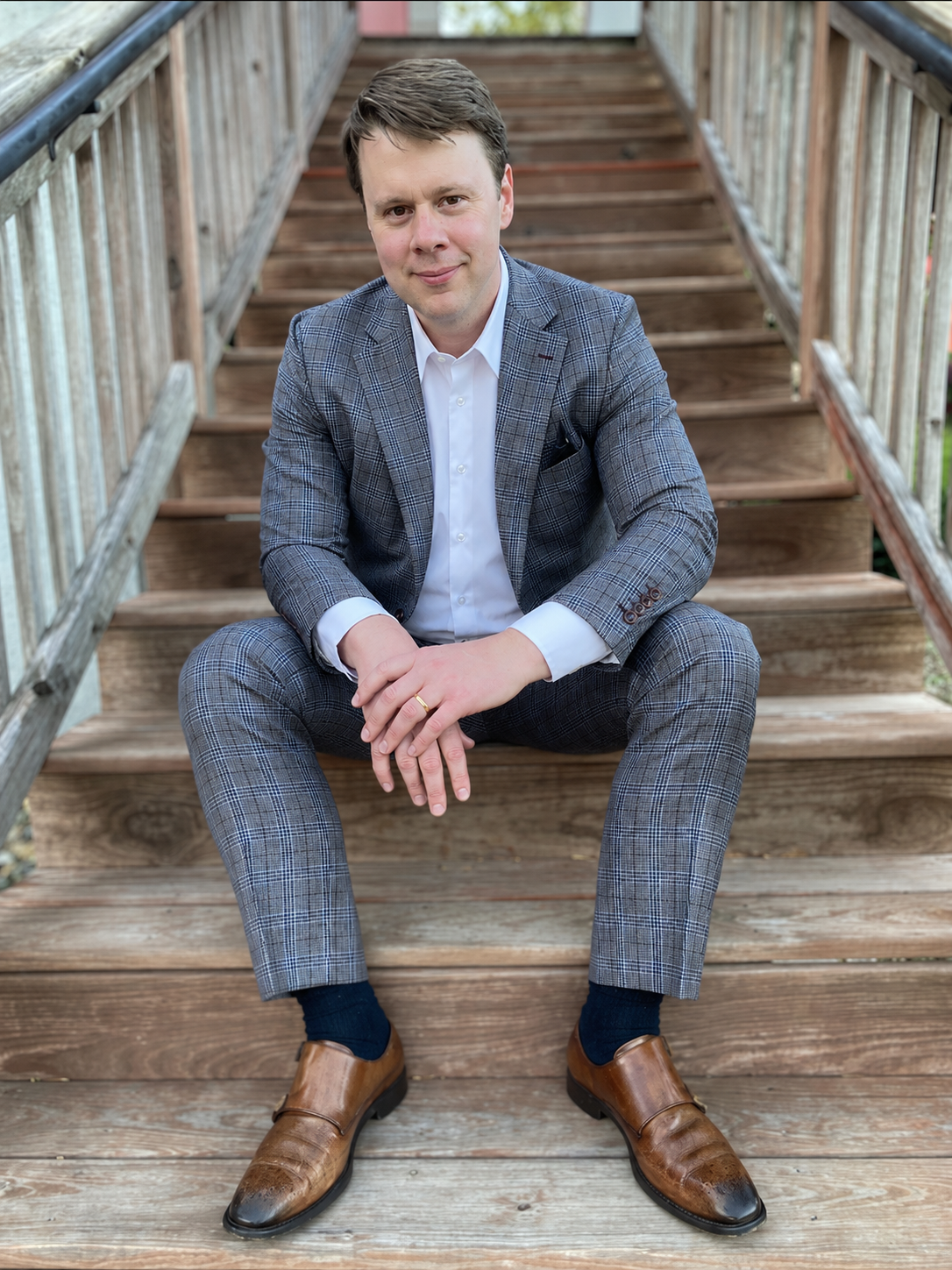
I started Torchlight Integrative Psychotherapy to help people struggling with chronic pain achieve lasting and transformative healing.
You know how profoundly upsetting it is to be told you need to just accept your pain and learn to live with it.
I know how it feels too because I’ve been there.
I also know what it’s like to make a complete recovery from debilitating chronic pain after addressing my unconscious conflicts and repressed emotions.
It’s my mission to help others do the same.
-
I became drawn to depth-oriented work by searching for answers to problems that overwhelmed me as a teenager.
In addition to suffering from low back pain caused by MBS when I was 18, I also struggled with symptoms of Obsessive Compulsive Disorder (OCD) during the end of freshman year of high school and throughout my sophomore year.
During this time I was trapped in a labyrinth of rituals which I believed were necessary to keep me from losing my mind.
The timing of this was not random: I began experiencing intrusive thoughts, and using rituals to cope with them, less than a month after my parents divorced.
At the time I felt it would be selfish to focus on my feelings, and that my parents were the ones who were really suffering.
I was in tremendous emotional pain but also felt intense pressure to be good; which meant not burdening my parents with my own feelings of sadness and anger stemming from their divorce.
And what better way to make sure I kept my feelings to myself than by keeping them under lock and key in my unconscious mind?
The cost of this strategy was twofold. Not only did my anger still come to the surface in the form of intrusive thoughts, but in order to not feel the emotions caused by the divorce, my unconscious mind decided I needed to spend all of my time focused on rituals.
I was so caught up in the world of OCD, that I didn’t have time to think about, let alone feel, anything else.
Finally it got to the point that I felt so trapped and hopeless that I was determined to fight back. It took all of my willpower, but I stopped performing rituals and accepted the risk that maybe I would lose my mind.
Instead, I got my life back. While I would still experience the occasional intrusive thought or urge to perform a ritual, I recognized it was coming from an unconscious part of me and was not linked to reality.
It wasn’t until a couple years later when I read Dr. Sarno’s “Healing Back Pain” that I recognized my OCD and back pain were both flip sides of the same coin.
While the presenting symptoms were markedly different, the function was the same: To keep my thoughts obsessed, thereby preventing me from experiencing painful emotions.
When I decided to become a therapist years later, my experience with the power of the unconscious mind informed how I thought about what effective therapy could look like.
If I was able to overcome problems that plague some people for life, why couldn’t I help others do the same?
Since then I have studied a number of theorists and modalities, but my focus on the unconscious has remained. Time and again I have seen how exploring the unconscious, disarming defense mechanisms, and experiencing emotions has borne fruit in clients’ lives.
This fruit includes clients who have found newfound confidence after a lifetime of self-doubt, clients who have saved their marriages, and clients who have overcome chronic pain they suffered with for years.
I feel very fortunate to have struggled with OCD and low back pain. In the end it led me to a very rewarding career - one I wouldn’t trade for anything.
-
Depth-oriented therapy is inherently a dynamic process. Rather than stick to a rigid formula, I will meet you where you are at and focus on what feels most relevant to you in the present moment.
Over time we will begin to notice larger patterns: unconscious defenses, repressed emotions, and relational patterns that undergird your pain.
I believe that chronic pain, much like anxiety and depression, is a symptom created by the brain to serve a function. Once we identify the function your pain is serving we can then move towards working to resolve it.
This work involves disarming defenses that no longer serve you, fully acknowledging and experiencing your emotions, and often acting with increased authenticity in relationships. It also involves coming to terms with negative self beliefs and learning to see yourself with new eyes; eyes which more accurately recognize who you are and what you are capable of.
And when you transform how you see yourself and how you show up in the world, you transform your life.
-
I take a depth-oriented approach to therapy because I aim for transformational change - not just symptom reduction.
And the most profound and lasting change happens when we meet our pain where it has its roots: in the unconscious mind.
I operate from the conviction that symptoms like depression and anxiety are byproducts of unconscious defense mechanisms, schemas, and traumas - not biologically determined mental illness.
The same holds true for chronic pain caused by Mind Body Syndrome. While it is true your body is in real pain, the pain is not structural in origin.
A corollary of this stance is that nobody is fundamentally broken beyond repair.
I strongly believe that given the right conditions, anyone can begin to heal.
-
I chose the name “Torchlight Integrative Psychotherapy” for two reasons.
First of all, I believe that in order to truly cure pain and prevent its recurrence we need to address its unconscious roots. Therapy can be seen as a method of exploring the dark recesses of the unconscious mind and the repressed emotions that reside there.
And explorers plunging into a dark cavern need a tool to illuminate what they find.
You may be wondering, “OK, so why not call your practice ‘‘Flashlight Integrative Psychotherapy’ then?”
Well, the other reason I chose this name was as a tribute to my late older brother - who I believe would still be alive had he found a therapist to help him heal from his pain.
My brother passed away at the age of 54 when I was in my final year of graduate school. He was morbidly obese to the point that walking short distances was taxing, and he had been dependent on oxygen to stay alive for a number of years.
But that wasn’t how he always was. When I was a kid my brother was a physically fit athlete who was involved in multiple sports.
He began gaining weight after a painful divorce - one where his wife left him for a close friend.
Within 10 years after the divorce he would be unrecognizable: Gone was the trim athlete and in his place was a severely overweight person who could no longer perform tasks like mowing grass - let alone playing sports.
When my brother passed away the coroner's report may have listed “natural causes” but one of his friends had a more accurate assessment. He told me, “Your brother died of a broken heart.”
If my brother had been able to work with a therapist to help him process the emotional pain he was in after his divorce - as well as identify how his defense mechanism of gaining weight was linked to protecting himself from being hurt again - I believe he would still be alive.
My brother’s friends gave him a lot of nicknames. One of them was an abbreviation of our last name. As nicknames often do, “Borch” morphed into “Torch,” which eventually took another form: “Torchlight.”
When I think of the story of my brother’s life, it reinforces my commitment to shining a light on the unconscious and walking with people to the heart of their pain.
Because I know what can happen when people walk alone through the darkness.
-
I graduated from the University of Minnesota with a Master’s Degree in Social Work, with a focus on Clinical Mental Health. My graduate training emphasized consideration of the biological, psychological, and sociological causes of human suffering. I have been working as a therapist since 2020 and have worked in both larger clinic settings and smaller group practices. Experience has taught me the power depth-oriented therapy has to change people’s lives.
About Me and My Practice
Ready to Take Your Life Back?
If you are ready to begin healing from your chronic pain and resume living a normal life, let’s get started.